
Call Us
562.254.8711 Call Us
562.254.8711
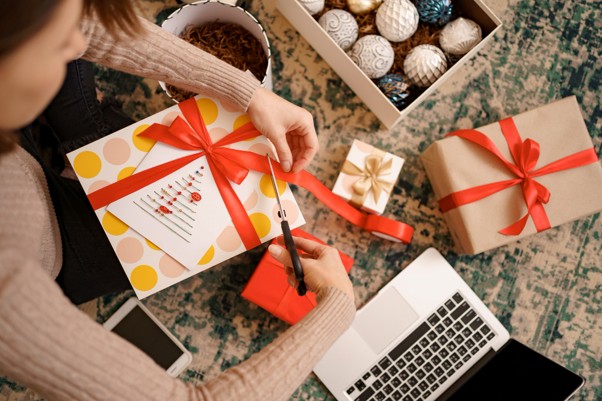
A subscription delivery is more than a shipment. It is a recurring opportunity to remind customers why they chose your brand and give them something to look forward to. Custom printed subscription boxes can make that experience more memorable through distinctive visuals, thoughtful messaging, and consistent product presentation. For subscription businesses, the real opportunity lies in connecting packaging design with customer expectations, operational efficiency, and the reasons people choose to renew.
When customers receive deliveries regularly, recognizable packaging helps your business stand out and strengthens familiarity over time. However, effective branding involves more than placing a logo on the lid. Color palettes, typography, illustrations, and visual hierarchy should work together to communicate your brand’s personality.
Consider the expectations of your audience. A premium skincare subscription may benefit from understated graphics and refined finishes, while a craft subscription could use expressive illustrations and brighter colors. The design should communicate the product’s value before the customer opens the box.
Consistency matters just as much as creativity. Repeated use of recognizable brand elements creates continuity across monthly deliveries, promotional campaigns, and seasonal collections. Keeping core visual elements consistent while refreshing selected graphics helps maintain recognition without making every shipment look identical.
The exterior creates anticipation, but the interior determines how that experience unfolds. Printed inside panels, coordinated inserts, product information, and carefully positioned messages can turn opening a package into a more engaging interaction.
For example, a food subscription could use printed panels to introduce the month’s theme, while a beauty brand could explain how products work together in a recommended routine. These details help customers understand the contents and make the delivery feel more considered.
Packaging structure should support this experience. Inserts must hold products securely, dimensions should suit the contents, and the opening sequence should feel intuitive. Oversized boxes or poorly fitted inserts can increase material use and allow products to shift during transit, undermining an otherwise attractive presentation.
The strongest unboxing experiences combine visual appeal with practical design. Every printed element should contribute to discovery, product understanding, or brand connection rather than simply filling space.
Print decisions influence how packaging looks, feels, and performs in production. The right combination depends on the substrate, order volume, artwork complexity, desired finish, and budget.
Paperboard can suit lightweight products and presentation-led applications, while corrugated board may be more appropriate when greater structural protection is needed. The choice should reflect product weight, fragility, shipping conditions, and handling requirements.
Color management also deserves attention. Artwork may appear different across materials and printing processes, so production proofs and physical samples help brands assess color accuracy, text legibility, and overall appearance before approving a larger run. Fine details, small text, and intricate graphics should be evaluated at their actual printed size.
Finishes require similar consideration. Matte or gloss coatings can change the appearance of printed colors, while specialty finishes may add visual emphasis to selected design elements. However, additional finishing can increase cost and production complexity. Brands should prioritize features that support their positioning rather than adding effects without a clear purpose.
Personalized packaging can make subscribers feel that a delivery was designed with their interests in mind. Seasonal artwork, limited-edition graphics, product-category variations, and milestone messages offer ways to refresh the experience while retaining a recognizable brand identity.
Custom printed subscription boxes can support these campaigns when variations are planned around realistic production and fulfillment requirements. Before introducing multiple designs, businesses should consider minimum order quantities, artwork changeovers, inventory space, and the risk of holding packaging that becomes outdated.
A practical approach is to maintain a consistent base design and introduce controlled variations for specific campaigns or product collections. This creates opportunities for novelty without requiring an entirely new packaging system for every shipment.
A design that looks impressive in a digital mock-up must also perform consistently across production runs. Differences in print color, alignment, material quality, or finishing can affect the final result and create a less consistent brand experience.
Effective custom subscription box packaging begins with coordination between design, engineering, and manufacturing. Artwork needs to fit the dieline, account for folds and glue areas, and keep essential graphics away from edges where they may be obscured. Structural samples can help identify fit or assembly issues before production begins.
Brands should also evaluate how packaging moves through fulfillment. Boxes need to assemble efficiently, protect their contents, and accommodate shipping labels without covering important brand elements. These considerations become increasingly important when hundreds or thousands of orders must be packed consistently.
Attractive packaging can improve the customer experience, but retention depends on several factors, including product quality, pricing, convenience, and service. Businesses should therefore evaluate packaging changes alongside broader customer performance.
Track renewal rates, repeat purchases, cancellation reasons, customer feedback, and engagement with unboxing content. Where possible, compare similar customer groups or periods to understand whether a packaging update coincides with meaningful improvements. Also consider whether any gains justify changes in printing, materials, and fulfillment costs.
Packaging works hardest when brand storytelling, print quality, structural performance, and production planning support one another. Bling Bling Packaging and Display can help businesses explore packaging solutions that bring these priorities together, creating distinctive presentations that remain practical as subscription operations grow.
Consistent branding, relevant messaging, and a thoughtful unboxing experience can strengthen brand recognition and improve how customers perceive each delivery. These elements support loyalty when the products and service also meet expectations.
Paperboard can suit lightweight products and presentation-focused packaging, while corrugated board may provide greater structural protection for shipping. The appropriate choice depends on product weight, fragility, dimensions, and distribution requirements.
Brands should review artwork specifications, production proofs, physical samples, color reproduction, and finishing before approving production. Clear quality standards help maintain consistency across repeat orders.
Yes, when design variations are planned around production volumes, inventory, artwork changeovers, and fulfillment processes. A consistent base design with limited campaign-specific variations can balance personalization and operational efficiency.
Businesses can monitor renewal rates, repeat purchases, cancellation feedback, and customer responses to packaging changes. Comparing similar customer groups or time periods can help assess results while accounting for other factors that influence retention.