Custom Permanent POP Displays & Retail Display Manufacturer

  • Custom Permanent POP Displays
  • Custom Permanent Point of Purchase Displays

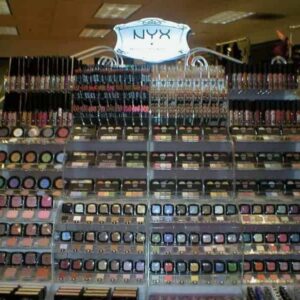
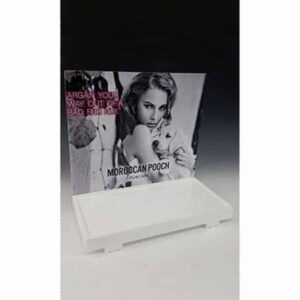
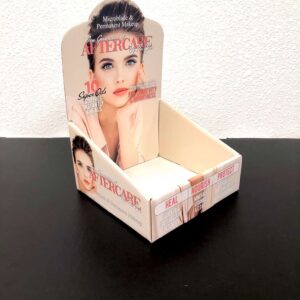
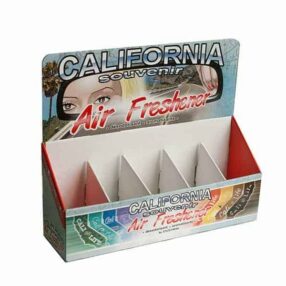
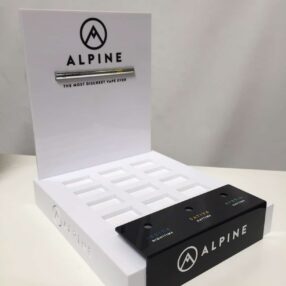
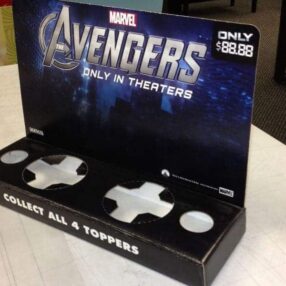
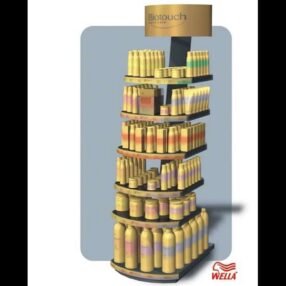
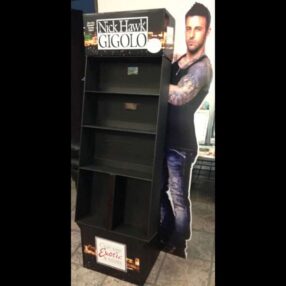
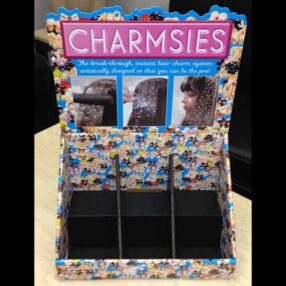
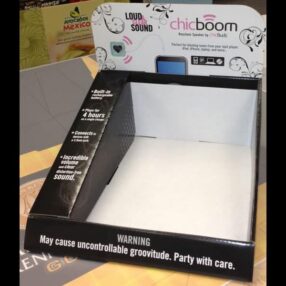
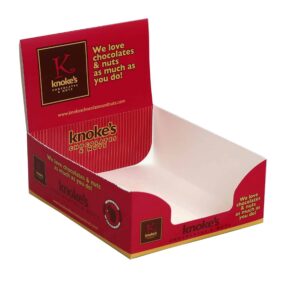
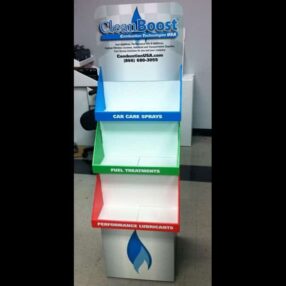
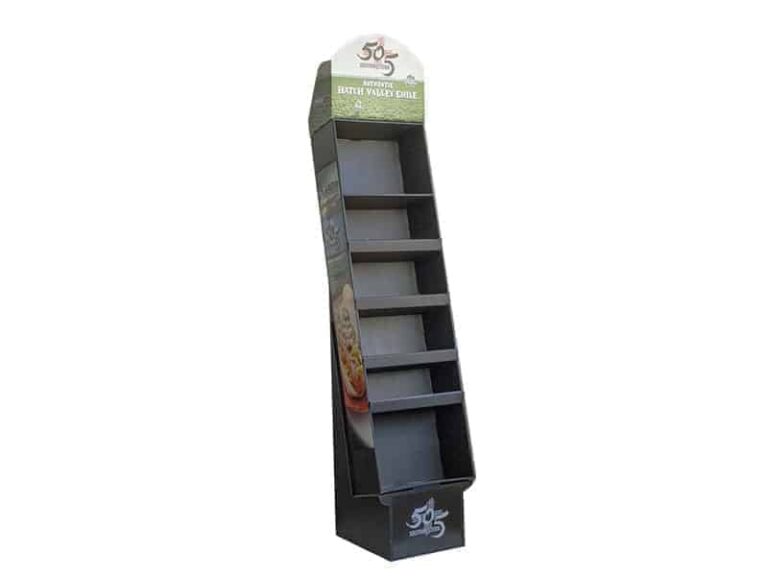
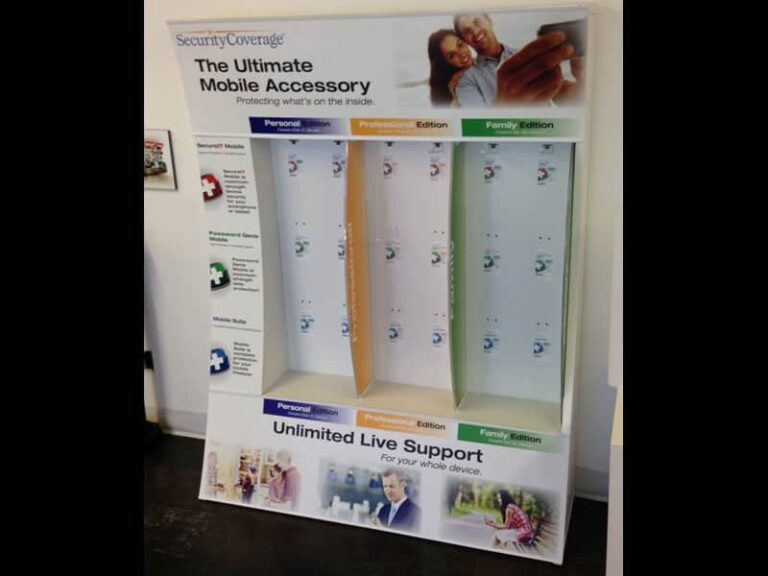
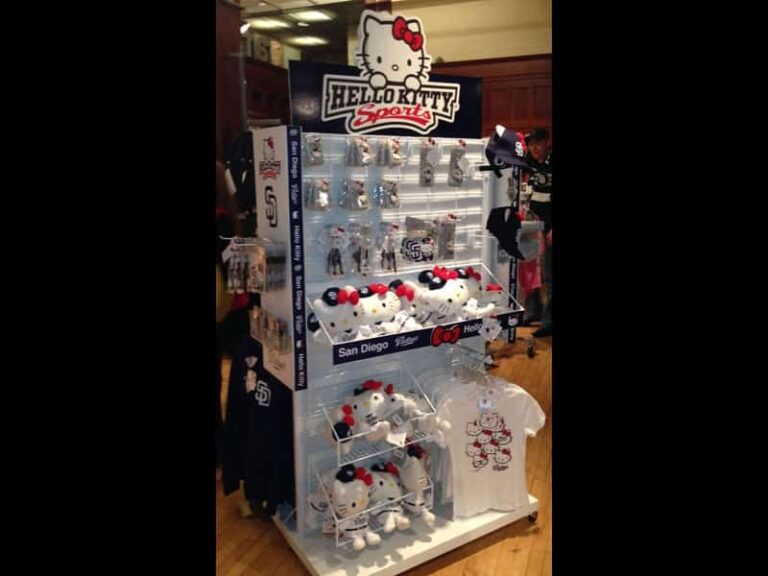
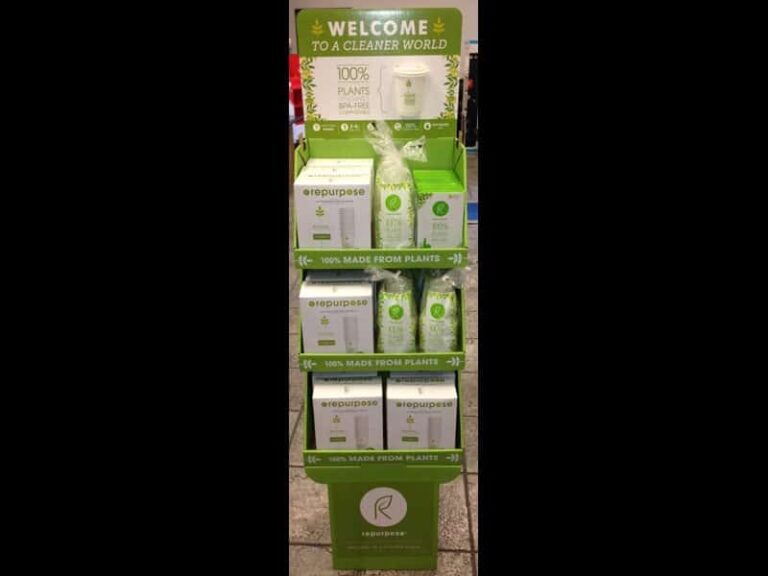
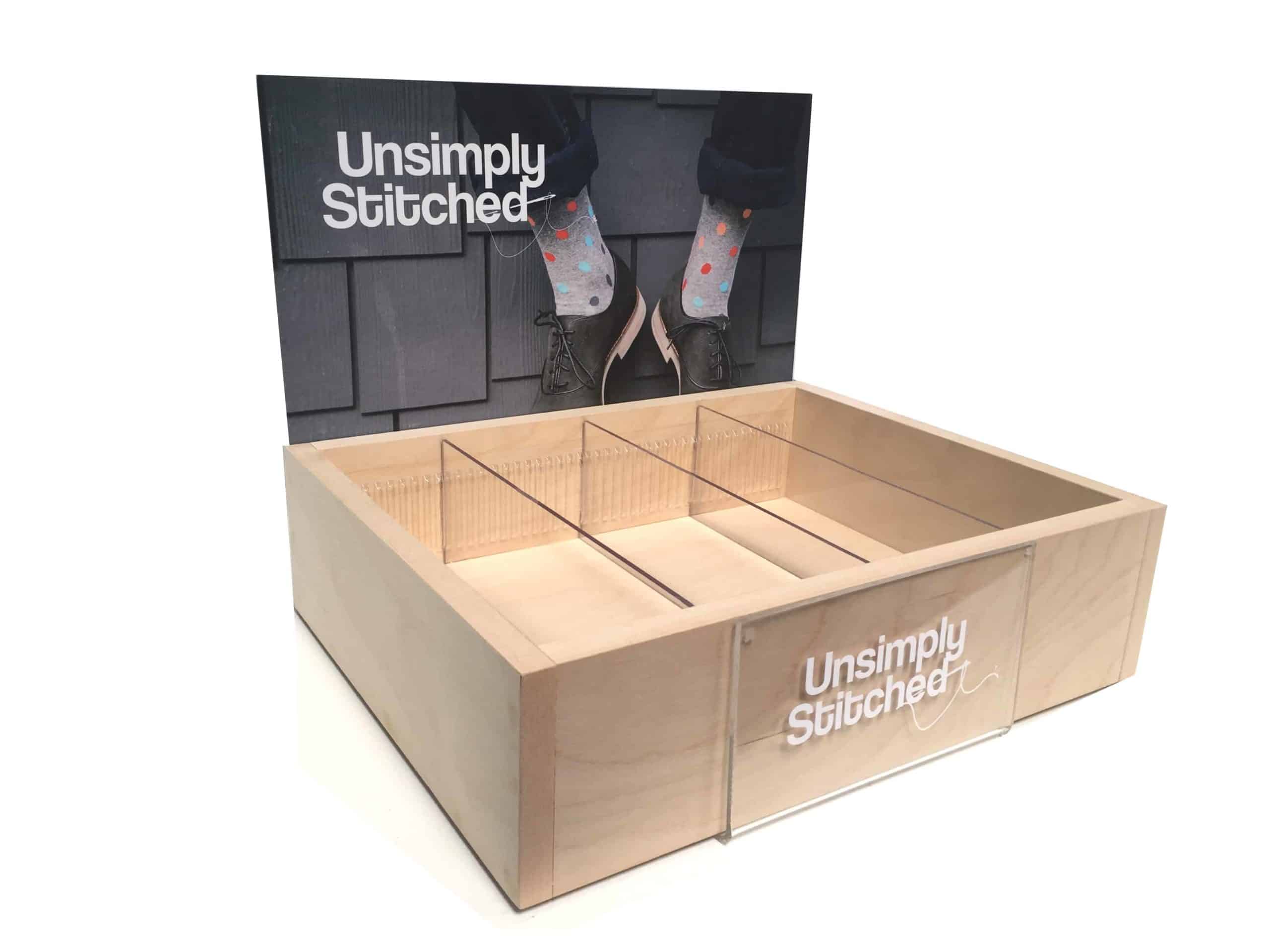
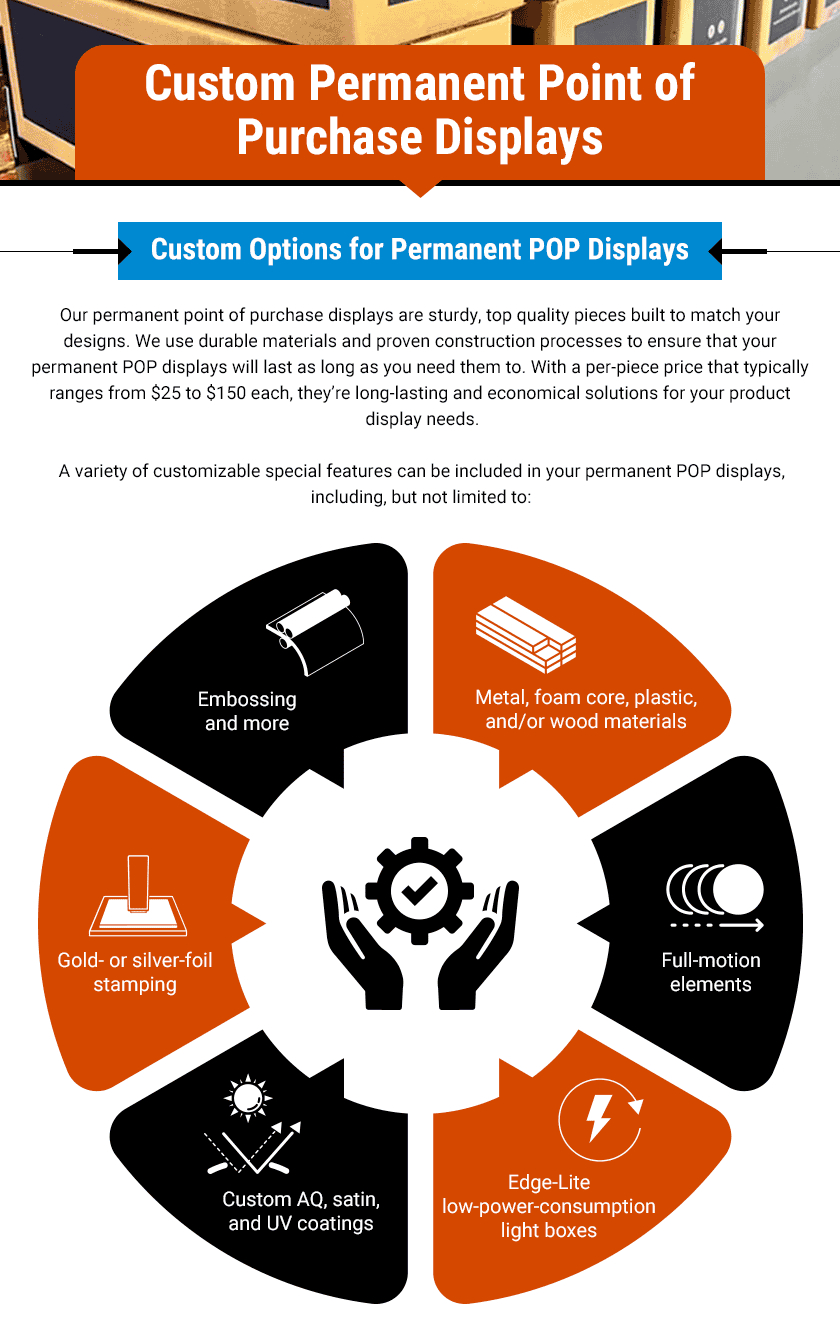
    Custom permanent POP displays are the ultimate way to merchandize your products. There are many, many ways to customized these displays, making it easy to create the perfect design for your unique needs. However, no matter how good your design may be, you still need someone to turn it into the real thing.

    Bling Bling Packaging specializes in custom product displays and packaging, and can deliver permanent point of purchase displays that meet your exact specifications. Our permanent POP displays are designed to be “retail friendly” and easy to assemble.
    Custom POP Displays with Industry-Best Turnaround Times

    In most cases, we can provide a plain mockups (prototype) of your permanent point of purchase display in 48-72, with no charge for design time or production. We also offer free 3D renderings that will help you get a better feel for your display without even leaving your desk.

    We take pride in our ability to deliver top quality permanent point of purchase displays in some of the industry’s best turnaround times—without sacrificing quality. Once you’ve approved the final artwork and design of your permanent POP displays, we can deliver the finished product in two weeks or less. Domestic and offshore manufacturing options are available.

    That same speed and quality go into all aspects of our customer service. Custom quotes are returned within 48 hours of receiving the necessary information for your project. You’ll never have to wait on us—we believe that good communication and timely replies to customer inquiries help get things done faster and done better.

    Contact Us for Custom Permanent POP Displays & More

    We have the experience and expertise to deliver the custom retail display and packaging solutions you need in turnarounds that meet your schedule and at prices that fit your budget. Contact Bling Bling Packaging for permanent point of purchase displays for your products.
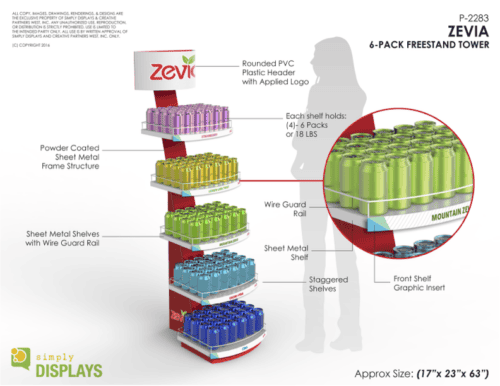
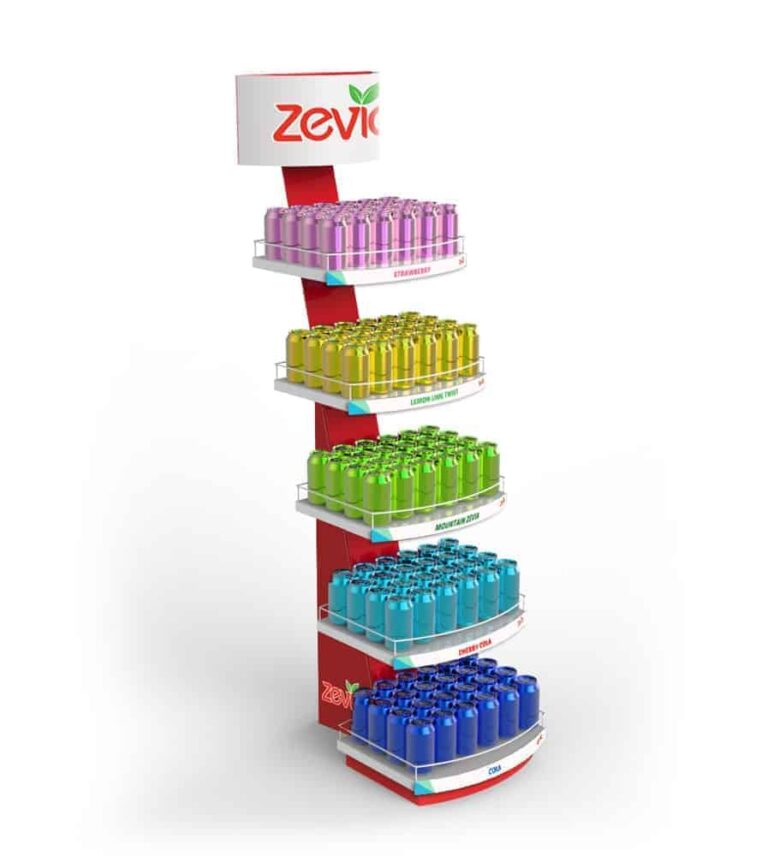
    Zevia-Hero-1
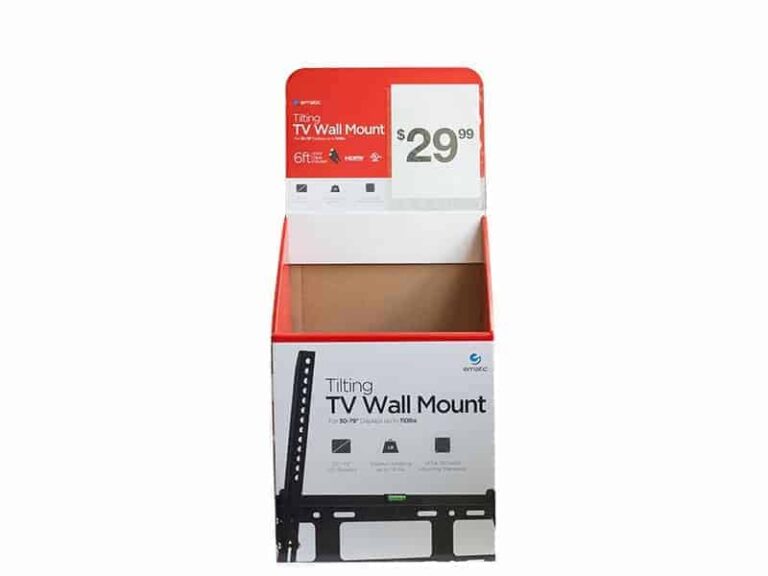
    tv-wall-mount-corrugated-floor-displays-1
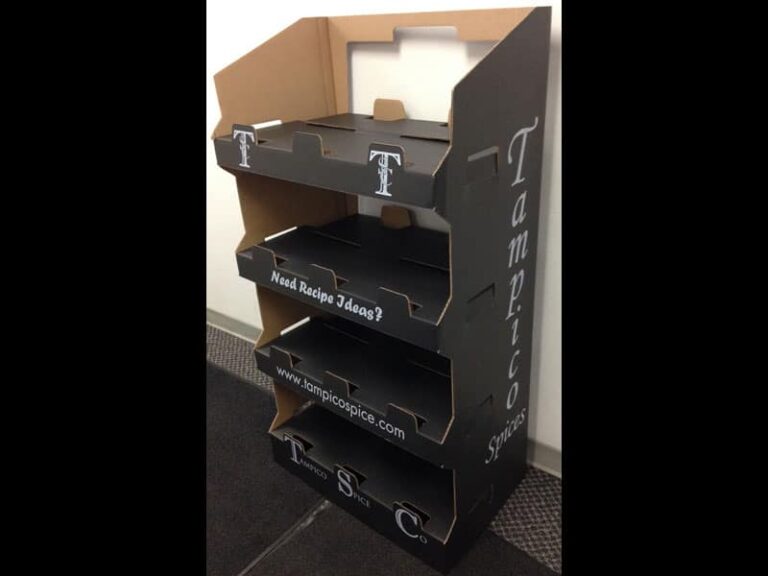
    tampico-spices-one-piece-corrugated-floor-display-1
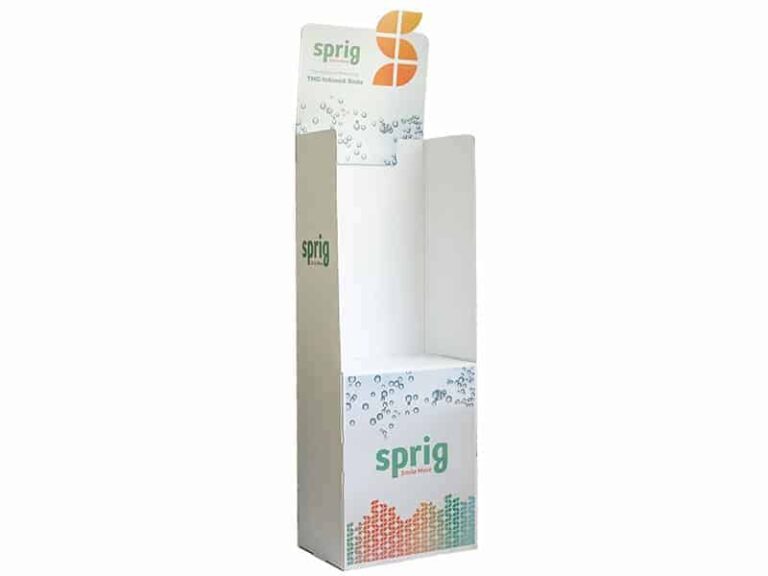
    sprig-corrugated-floor-displays-1
    southwestern-corrugated-floor-displays-2-1
    Security-Coverage-Permanent-Floor-Display-1
    San-Diego-Padres-Hello-Kitty-Permanent-Floor-Display-1
    repurpose-corrugated-floor-display-1
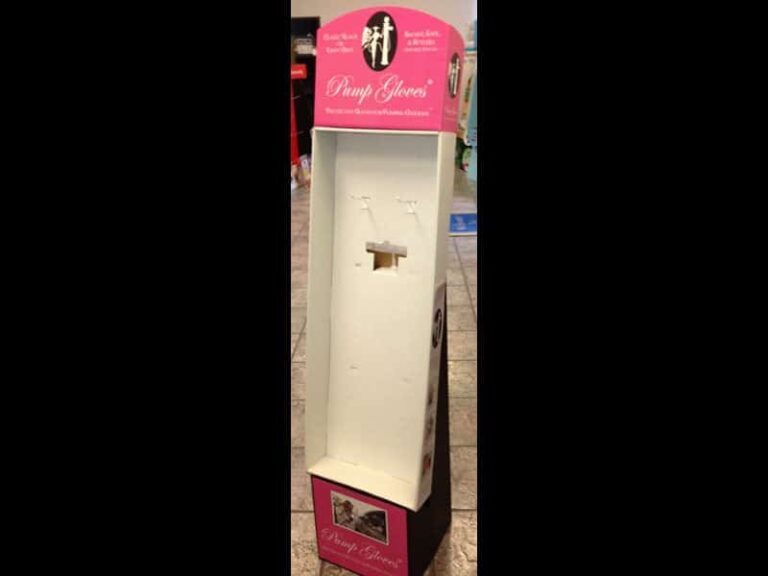
    pump-gloves-corrugated-floor-display-1
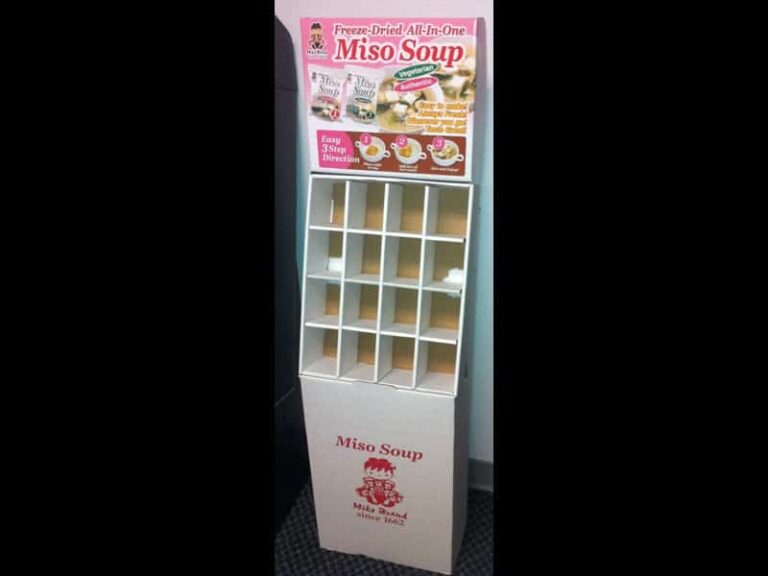
    miso-soup-corrugated-floor-display-1
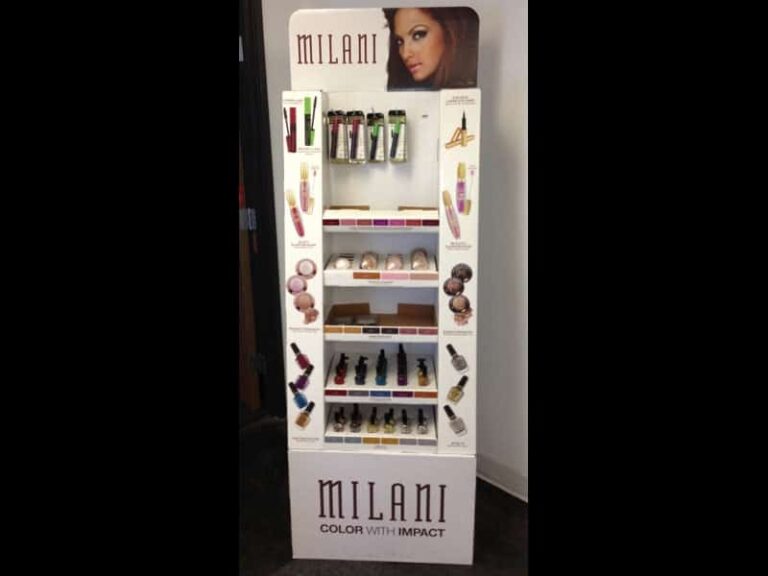
    milani-corrugated-floor-display-1
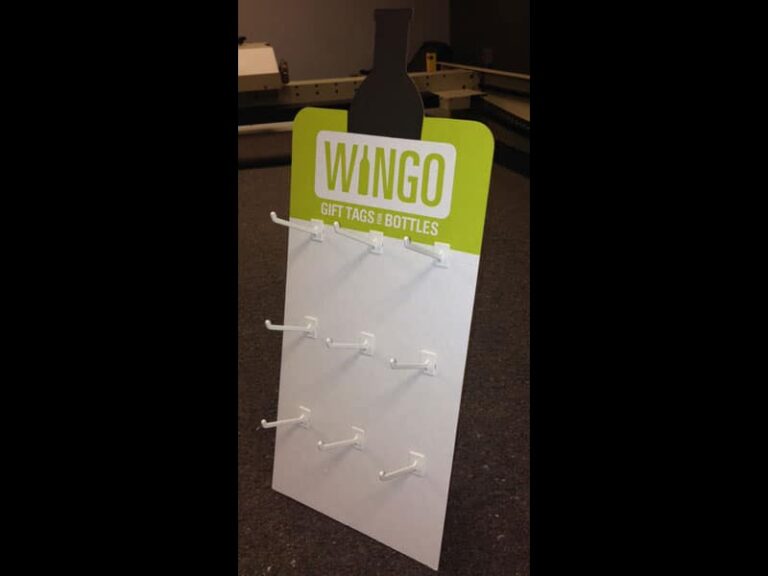
    corrugated-hook-display-1

    frequently asked questions

    What are permanent displays used for?

    Permanent displays are designed for longer-term placement in retail environments where products need a consistent, dedicated merchandising area. Unlike temporary promotional units, they are built with greater emphasis on structural durability, stability, and sustained visual presentation. They can be used to showcase products, organize merchandise, and reinforce brand visibility over an extended period.

    The primary difference is the intended duration and construction. Temporary displays are generally designed for short-term promotions, seasonal campaigns, or product launches, while permanent displays are engineered for continued use. Permanent units typically place greater emphasis on durable materials, structural stability, consistent branding, and the ability to withstand repeated stocking and customer interaction.

    Permanent POP displays can be installed in locations such as retail sales floors, specialty stores, department stores, showrooms, and other commercial environments. Their placement depends on the products being displayed, available space, customer traffic, and merchandising strategy. A properly designed unit can make effective use of a specific floor or wall area while keeping products accessible and visible.

    Yes. A permanent display can be designed around the product's dimensions, weight, quantity, and merchandising requirements. Structural elements such as shelving, product compartments, signage, and storage areas can be incorporated into the design. Graphics, finishes, and other visual details can also be coordinated with the brand's identity.

    Businesses should consider product weight, display dimensions, available retail space, customer accessibility, stocking requirements, structural stability, and expected customer interaction. Material selection is also important because the display needs to maintain its appearance and functionality over time. Transportation, installation, and maintenance requirements should be considered during the design process as well.

    Request Quote