
Call Us
562.254.8711 Call Us
562.254.8711
A foam insert should accommodate the product rather than leave its positioning to chance. EPE foam fabrication allows a packaging design to account for the dimensions and arrangement of the items being packed.
Depending on the application, inserts can be planned with shaped cavities, cutouts, or designated spaces for individual components. These features help organize the contents and reduce unnecessary movement within the package.
The design process should consider product measurements, vulnerable areas, and the available space inside the outer container. This helps establish an insert configuration that suits the product and its packaging requirements.
Products that include accessories, multiple parts, or several items in one package can benefit from a planned internal layout. Expanded polyethylene foam box inserts can be designed to provide separate spaces for suitable components, helping keep the contents arranged during packing and unpacking.
For example, a package containing a main product and several accessories might use designated cavities to keep each item in its intended position. The exact configuration depends on the dimensions of the components and the way they need to be presented or handled.
A well-planned insert also needs to work with the outer box. Its layout, thickness, and overall dimensions should suit the available internal space.
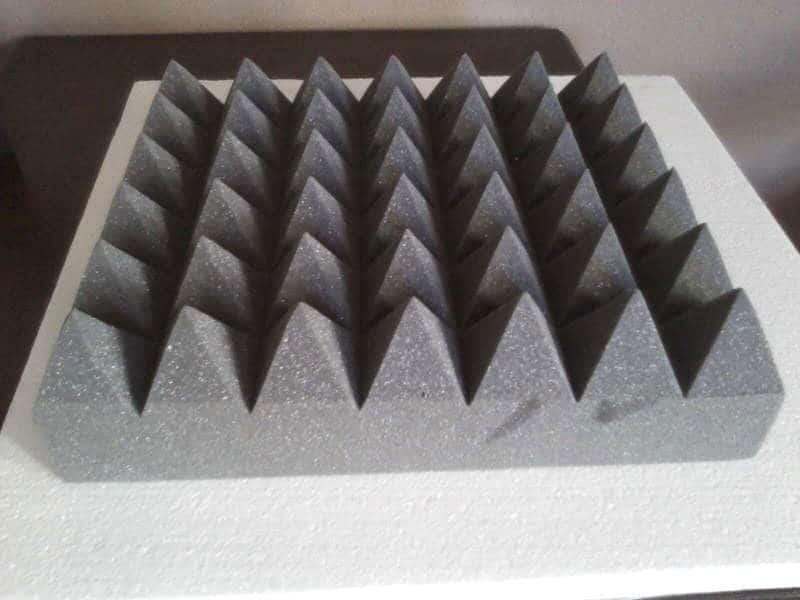
Products moving through distribution can encounter vibration, handling impacts, and repeated movement. Shock-absorbing EPE protective packaging in California can be considered for applications where the selected foam specification provides appropriate cushioning.
EPE foam can compress under pressure and help cushion suitable items. Its actual performance depends on factors such as density, thickness, product weight, and the conditions the package is expected to encounter.
For this reason, foam selection should reflect the product's protection requirements rather than relying on a general material description alone. The complete packaging configuration also needs to be considered.
Some packaging projects involve more than one item. A product kit, equipment set, or collection of related components might need a layout that keeps each piece separate and easy to identify.
Custom EPE inserts can be planned around the size and arrangement of those components. Individual spaces can help reduce unwanted contact between items and create a more orderly presentation when the package is opened.
This approach is useful when the packing process needs to remain consistent across multiple packages. Accurate product measurements and a clear understanding of the intended layout provide a practical starting point.
Choosing a packaging partner means considering how the foam insert will work with the product, the outer container, and the packing process. Bling Bling Packaging and Display offers custom foam inserts alongside broader packaging and display capabilities, helping businesses consider these connected requirements when planning a packaging project.
Products differ in shape, size, and the amount of cushioning they require. Custom insert planning takes these details into account, helping establish cavity layouts and configurations suited to the items being packaged.
When a package contains several products or accessories, a designated space for each component can help keep the contents organized. A planned insert layout also supports a more consistent approach to packing and unpacking.
EPE foam is one option for suitable protective packaging applications. Considering product weight, cushioning needs, foam thickness, and expected handling conditions helps identify the material characteristics that need to be evaluated for the project.
Protective inserts, outer packaging, and retail displays serve different purposes. Bling Bling Packaging and Display offers solutions across these categories, allowing businesses to consider internal product protection alongside packaging presentation and merchandising requirements.
Bling Bling Packaging and Display operates in Santa Fe Springs, California, providing a California-based point of contact for businesses exploring custom packaging. Sharing product measurements, component details, and intended handling conditions helps establish a clear starting point for discussing insert requirements.
For businesses considering custom EPE foam in California, a well-defined set of product and packaging requirements helps guide the discussion toward a configuration suited to the application.
Foam inserts are useful for internal cushioning and product positioning, while retail packaging can have additional presentation requirements. For suitable products, custom clamshell packaging offers a format that allows customers to view the product while it remains enclosed.
Clamshell packaging can be designed around a product's shape and paired with printed insert cards. Its suitability depends on the product, retail environment, and packaging specifications.
Considering the intended sales environment early can help businesses decide whether a foam insert, a clamshell format, or another packaging solution better suits the application.
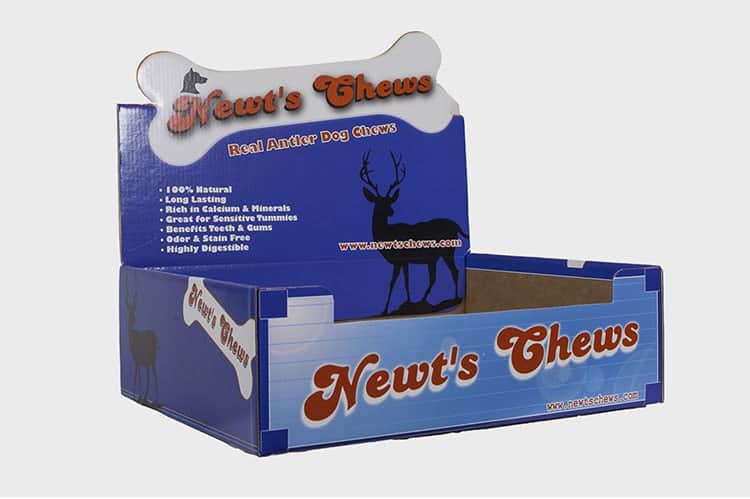
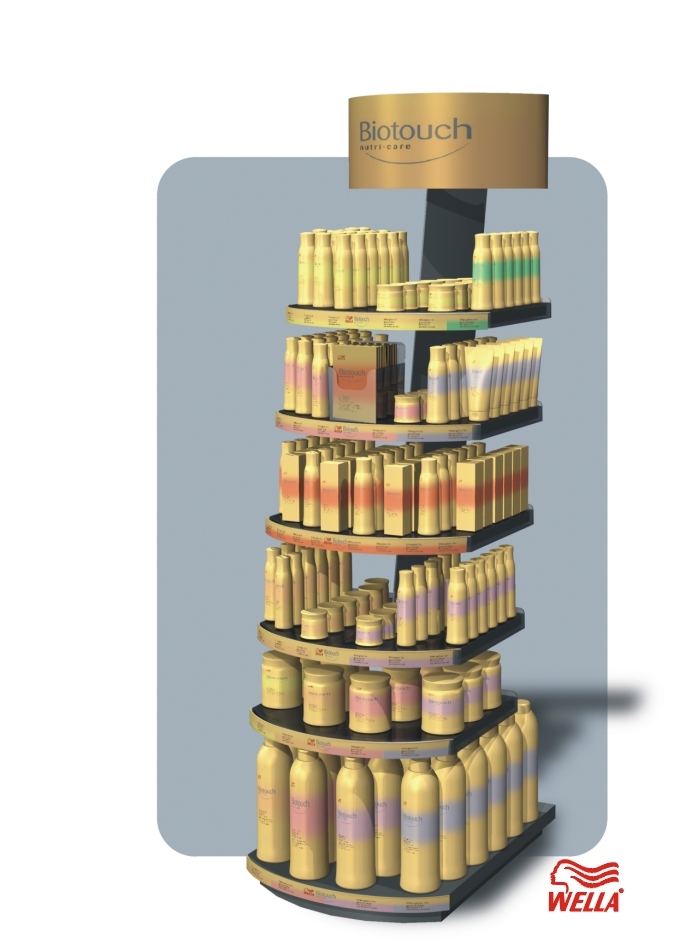
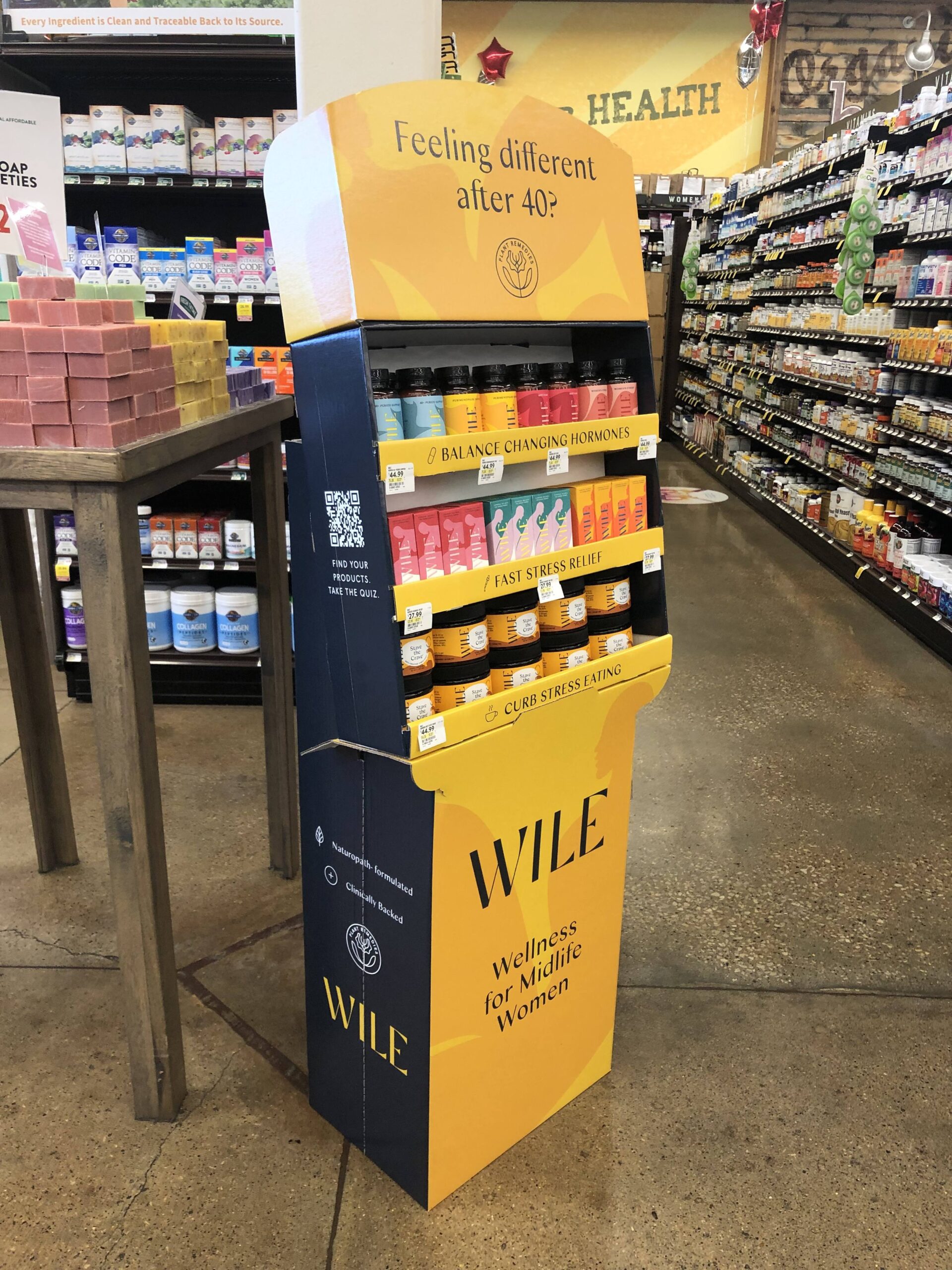
Some products need packaging for distribution, while others also require a dedicated place on the retail floor. Permanent displays can support longer-term merchandising programs by providing a designated structure for presenting products in a retail environment.
These displays serve a different purpose from EPE foam inserts. Foam supports internal product placement and cushioning, while a permanent display helps organize and present merchandise at the point of sale.
For businesses planning both packaging and merchandising, understanding these different functions helps identify the right solution for each stage of the product's journey.