
Key Considerations for POP Display Design | Bling Bling

  • Key Considerations in Designing Your POP Display
  • A well-designed point-of-purchase (POP) display can be a powerful tool for promoting products at retail. Strategically placing products in an eye-catching presentation can capture potential customers’ attention and encourage impulse purchases. Additionally, with so much competition for consumer attention, a well-executed display can give products the edge they need to stand out and succeed.

    At Bling Bling Packaging, we have provided exceptional packaging and display solutions since 1987. Our commitment to high-quality products and customer satisfaction has made us a trusted name in the industry. Moreover, our collections are designed to be retail-friendly and easy to assemble, ensuring the products catch the eye of potential customers.

    A point-of-purchase display does a job no other piece of marketing can quite match: it meets the shopper at the exact moment they’re deciding what to buy. Done well, it turns a passing glance into a purchase. Done poorly, it just becomes clutter the store has to work around. With retail shelves more competitive than ever, the difference between the two usually comes down to how much thought went into the design before it ever reached the sales floor.

    Bling Bling Packaging has been building retail packaging and display solutions since 1987, and in that time we’ve learned that the best displays aren’t just visually appealing, they’re engineered around how real shoppers actually behave in a store. Below is what we consider when we design a POP display, and what any brand should think through before committing to one.

    What Are POP Displays?

    POP displays are visual merchandising tools retailers utilize to exhibit products and entice customers at purchase. They come in various forms — including free-standing, countertop, and endcap displays — and are designed to capture shoppers’ attention and drive sales. Typically, they are created to be eye-catching and promote a specific product or promotion.

    Here are the primary advantages of utilizing a POP display in a retail setting:

    • Enhances brand visibility
    • Increases sales
    • Promotes new products or promotions
    • Provides a competitive edge in retail environments
    • Showcases products in an attractive and organized manner
    • Increases customer engagement and satisfaction

    What Is a POP Display, Exactly?

    A POP display is any fixture used at the point of purchase to present a product and prompt a buying decision on the spot. That might mean a small countertop unit near the register, a branded endcap at the end of an aisle, or a full floor display anchoring a promotional section. What they all share is purpose: draw attention, communicate value quickly, and make the product easy to grab.

    Retailers and brands use POP displays because they consistently deliver on a few fronts:

    • Improved brand visibility in a crowded store
    • A measurable lift in impulse and add-on sales
    • A dedicated stage for new product launches or promotions
    • Differentiation from competitors sharing the same shelf space
    • A cleaner, more organized presentation of the product line
    • Stronger engagement with shoppers who might otherwise walk past

    Types of POP Displays

    Each type of display offers a unique way to showcase products and promote brands. This makes it essential for retailers to choose the right style to meet their marketing goals. Listed below are the four most popular types:

    The Main Display Formats to Choose From

    Not every product calls for the same display format. The right choice depends on the item’s size, price point, and where in the store it will live.

    Countertop Displays

    Countertop displays are often placed on counters or tables to showcase small products and encourage impulse purchases. They are designed with visually appealing graphics and packaging that attract customers’ attention. Moreover, they are effective for small items like candy, gum, and cosmetics, which can be picked up easily and purchased immediately.
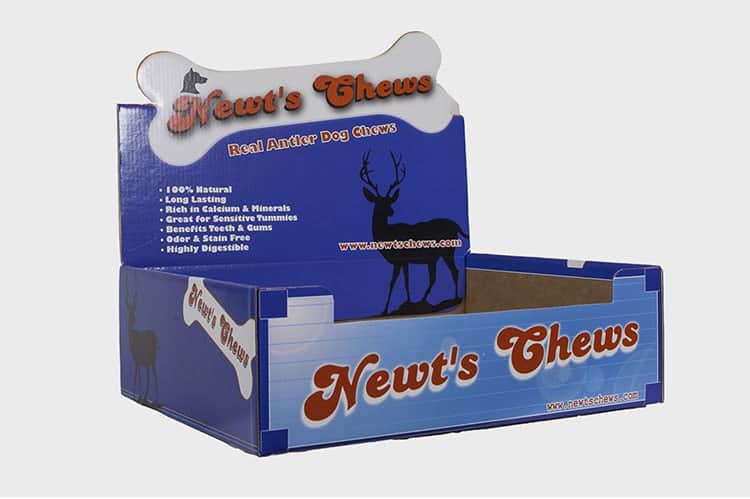
    Countertop Displays

    Sized for the checkout counter or a small table, countertop displays work best for compact, low-commitment purchases like candy, cosmetics samples, or small accessories. Their job is simple: catch the eye during that last moment before checkout and turn a quick glance into an add-on sale.

    Digital Displays

    Digital displays use screens or projections to create interactive and dynamic product presentations. They can be used to showcase product features, offer special deals or discounts, or provide educational content about the brand or product. They are also particularly suitable for retailers who sell high-tech or complex products, as they allow for detailed and interactive demonstrations.
    Digital Displays

    Screen-based or projected displays bring motion and interactivity into the mix. They're particularly effective for products that benefit from demonstration or explanation, such as electronics or technical goods, where static packaging alone can't tell the whole story.

    Endcap Displays

    Endcap displays are placed at the end of aisles in retail stores. They intend to showcase products and promotions in a highly visible location, increasing shoppers’ chances of being noticed. They can also be customized to fit various products, from electronics and home goods to snacks and beverages.
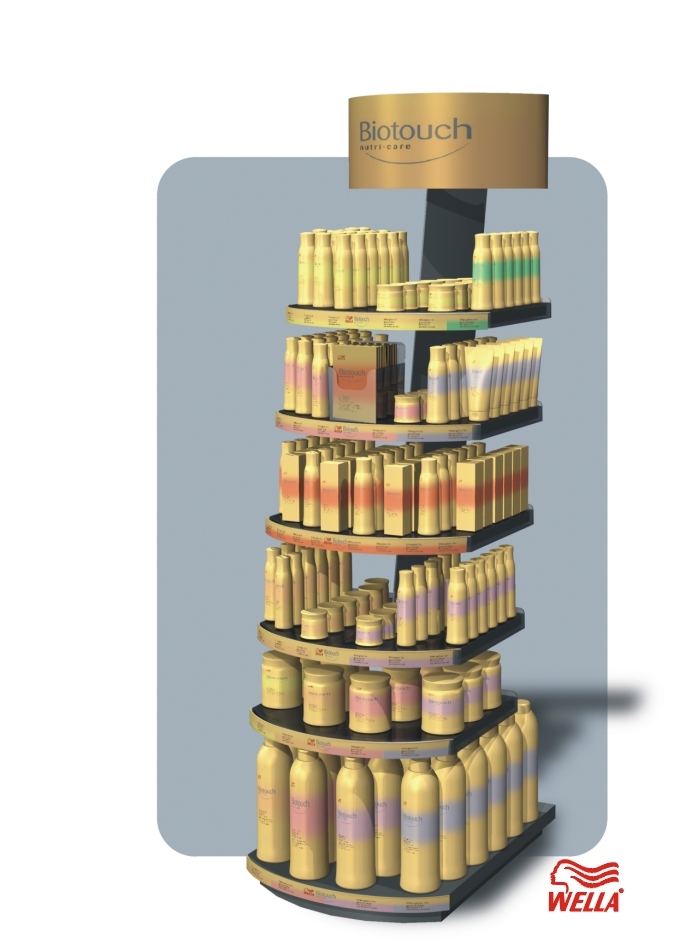
    Endcap Displays

    Positioned at the end of an aisle, endcaps get some of the highest foot traffic in the store. They're a natural fit for seasonal promotions, new releases, or any product a retailer wants to push without dedicating permanent shelf space.

    Floor Displays

    Floor displays are positioned on the sales floor of a retail store. They are typically large and free-standing and can be used to showcase new or high-demand products. They can also be designed to match the store’s overall branding and visual merchandising strategy, creating a cohesive and inviting shopping environment.
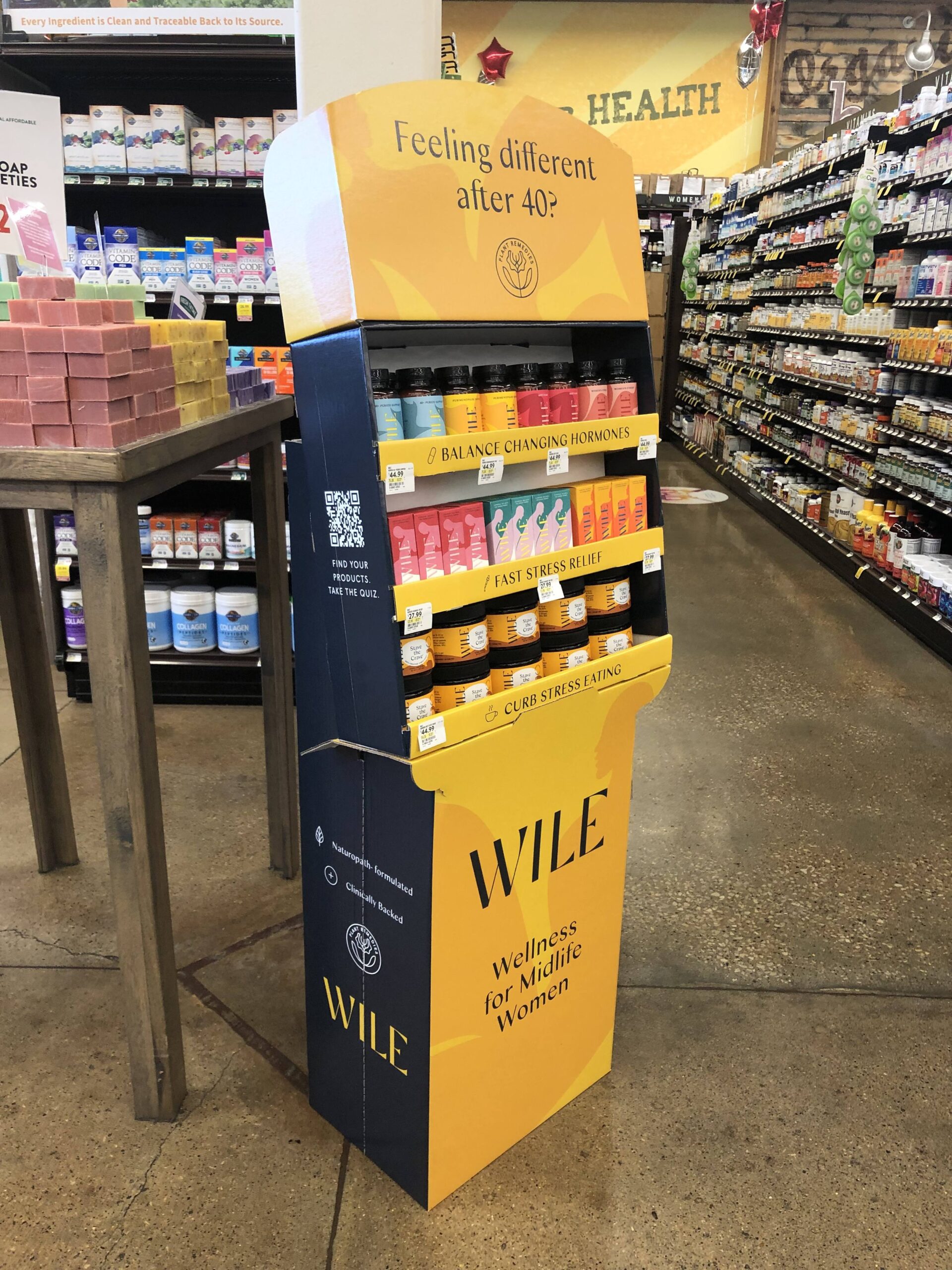
    Floor Displays

    Large, free-standing units built to anchor a section or promotional zone. Floor displays give a brand the most real estate to work with and are often designed to echo a store's broader visual merchandising strategy so they feel intentional rather than bolted on.

    Design Elements of a POP Display

    A well-designed display can make all the difference in attracting customers and increasing sales. The following are several key design elements to consider during the design process:

    The Design Elements That Actually Move the Needle

    Every successful display comes down to a handful of core decisions, made deliberately rather than left to default settings.

    Color is an important design element as it can greatly impact the visibility and effectiveness of the display. Many different color schemes and combinations can be used, depending on the product and branding. Here are some examples:

    • Complementary: Colors opposite each other on the color wheel, such as red and green, create a high-contrast and eye-catching effect.
    • Analogous: Colors next to each other on the color wheel, such as blue and green, generate a harmonious and calming effect.
    • Monochromatic: Using different shades and tones of the same color can create a sophisticated and cohesive look.
    • Warm: Colors such as red, orange, and yellow create a feeling of warmth and energy and are often used to promote food and beverage products.
    • Cool: Colors like blue, green, and purple create a feeling of calmness and relaxation and are utilized to promote health and wellness products.
    Incorporating branding elements into the display can help to build brand recognition and promote brand loyalty. Furthermore, including the company’s logo and other features can create a sense of familiarity and trust with the customer. Additional branding elements include brand colors, font or typography, tone of voice, and personality.
    The layout should be visually appealing, easy to navigate, and highlight the featured product or promotion. Some factors to consider when designing the form include the display’s size and shape, product placement, and branding elements. Balancing visual appeal and functionality is also essential to ensure the display effectively promotes the product.

    Lighting is a crucial design element that can significantly impact the effectiveness of a POP display. Proper lighting can highlight the product and draw attention to the display, making it more visually appealing and attractive. It can also create a mood or ambiance that aligns with the promoted product or brand.

    Several lighting options are to consider when designing a display, including overhead lighting, spotlights, and backlights. The type of lighting used usually depends on the featured product and the desired effect. For example, cosmetic merchandise may benefit from soft, warm lighting that enhances the colors and textures of the product.

    The choice of materials should be based on carefully considering the product, the target audience, and the overall aesthetic. Various materials — including metal, plastic, wood, and cardboard — are available, each with unique properties and benefits. For instance, metal displays are sturdy and durable, ideal for heavy or high-end products.

    Plastic displays can be molded into various shapes and colors, while wood displays are often used for eco-friendly or natural products. In addition, the finish or texture can also impact the display’s visual appeal. A high-gloss finish can create a sleek and modern look, while a matte finish provides a more understated and natural appearance.

    Color scheme shapes how a display is perceived before a shopper reads a single word on it. Complementary colors (opposite each other on the color wheel) create high contrast and grab attention fast. Analogous colors (neighboring hues) feel calmer and more cohesive. A monochromatic palette signals sophistication. Warm tones tend to suit food and beverage, while cool tones lean into wellness and health-focused products.
    Consistent use of logo, brand colors, typography, and tone builds recognition and trust at a glance. A display that doesn’t clearly belong to the brand it’s promoting is a missed opportunity, no matter how attractive it looks on its own.
    The physical arrangement needs to balance visual appeal with function: sightlines to the product, logical placement of pricing or promotional messaging, and enough structural clarity that a shopper understands what they’re looking at within a second or two.
    Whether it’s ambient store lighting, built-in spotlighting, or backlighting, how a display is lit changes how the product actually looks. Soft, warm lighting tends to flatter cosmetics and beauty products; brighter, cooler lighting suits electronics and technical goods.
    Metal reads as durable and premium, often used for higher-end or heavier products. Molded plastic offers flexibility in shape and color. Wood signals natural or eco-conscious positioning. Corrugated and chipboard remain the most cost-efficient options for retail-scale production, and finish choices, glossy versus matte, change the whole personality of the piece.

    Best Practices for Designing POP Displays

    Designing a successful display requires careful consideration and planning. Here are some best practices to keep in mind:

    1. Keep It Simple

    Customers can quickly understand the collection’s purpose and the product’s benefits when the design is simple. This can lead to increased sales and a positive impression of the brand. Conversely, a cluttered or overly complex display can overwhelm the customer and detract from the product.

    2. Use Eye-Catching Visuals

    Using bold colors, high-quality graphics, and attention-grabbing images can attract customers and increase engagement with the display. Incorporating eye-catching visuals can also make the exhibit stand out in a crowded retail environment and pique the interest of potential customers.

    3. Prioritize Branding

    When designing a display, it is important to ensure that the brand’s message and personality are consistent throughout. This can be achieved by using the brand’s fonts, colors, and logos prominently and consistently. Additionally, the messaging should align with the brand’s overall marketing strategy and target audience.

    4. Consider the Customer Experience

    Think about the customer’s perspective when designing the display. Consider factors such as the placement of the collection, the ease of product access, and the overall shopping experience. A well-designed display can make the shopping experience more enjoyable and encourage repeat business.

    5. Test and Refine

    After creating the display, testing it out in the retail environment and obtaining feedback from customers and store staff is crucial. This feedback can then be used to fine-tune the design and enhance future displays. Being open to iterating and improving can guarantee the success and effectiveness of the collection.

    Best Practices Worth Following

    Designing a successful display requires careful consideration and planning. Here are some best practices to keep in mind:

    Resist the urge to overdesign

    A display that communicates its purpose in a glance outperforms one that tries to say too much. Simplicity reads as confidence; clutter reads as noise.

    Lead with strong visuals

    Bold color, sharp graphics, and clear imagery are what earn a second look in a store aisle full of competing displays.

    Keep branding front and center

    Logos, colors, and messaging should stay consistent with the rest of the brand's presence, both on the display and everywhere else the product shows up.

    Design around the shopper, not just the product

    Think about how easy it is to reach the item, how the display fits into the store's traffic flow, and what the moment of interaction actually feels like from the customer's side.

    Treat the first version as a draft

    Real-world feedback from stores and shoppers almost always surfaces something worth adjusting. The best displays are usually the result of at least one round of refinement after the initial rollout.

    Bling Bling Packaging: The Trusted Partner for High-Quality Display Solutions

    Bling Bling Packaging has been committed to delivering our customers the highest quality retail packaging, POP displays, and industrial packing solutions! We aim to be the one-stop shop for all our customers’ custom packaging needs. Regardless of their product or budget, we have affordable and innovative custom packaging solutions tailored to their needs.

    Contact us today to see how we can help you elevate your product packaging game!

    Why Brands Work With Bling Bling Packaging

    We've spent almost four decades focused entirely on retail packaging, POP displays, and protective packaging, which means display design isn't a side offering for us; it's the core of what we do. Our in-house design and production teams work through structure, materials, and finish together, so a display isn't just pretty in a rendering; it holds up on the sales floor and fits the budget it needs to.

    Whatever the product or price point, we build displays sized to the goal, not a one-size-fits-all template.

    Contact us to start designing a POP display built around how your product actually sells.

    Request Quote