
Call Us
562.254.8711 Call Us
562.254.8711
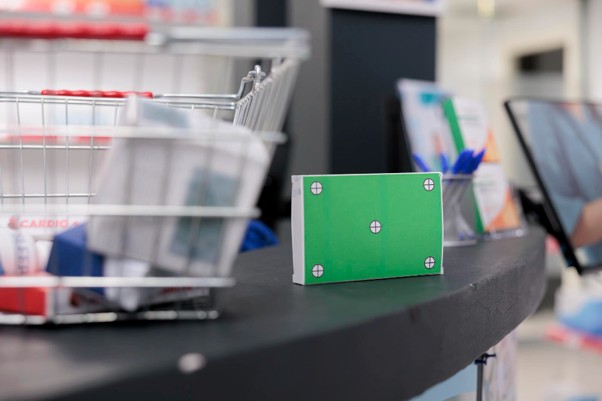
Summary: Counter displays make limited retail space work harder by placing products directly within the shopper’s natural viewing area. This blog examines how product placement, visual hierarchy, compact design, accessibility, replenishment, and branding can improve counter merchandising. It also explores how strategically designed counter displays can turn waiting areas and checkout zones into meaningful product discovery opportunities.
A product does not always need more shelf space to get noticed. Sometimes, it simply needs to be placed where shoppers naturally pause. Checkout counters, service desks, reception areas, and other high-traffic points create valuable opportunities for product discovery, especially when the display is designed to make those few seconds of attention count.
That is where counter displays retail strategies become valuable. By bringing selected products closer to shoppers and presenting them in a focused, accessible format, counter display boxes can turn limited retail space into a productive merchandising opportunity.
The goal is not simply to place a product on a counter, but to create a display that attracts attention, communicates value quickly, and makes the product easy to explore.
Counter space is limited, which makes every design decision important. Unlike large floor displays that can dominate a retail area, counter displays need to attract attention without obstructing transactions or making the surrounding space feel cluttered.
Visual hierarchy plays an important role here. A strong headline, recognizable branding, carefully positioned products, and enough breathing room can help shoppers understand the display within seconds. Slightly elevating products or angling them toward the shopper can also improve visibility from different viewing directions.
The best displays feel intentional rather than intrusive. They fit naturally into the retail environment while giving the featured product a stronger presence than it might have on a conventional shelf.
A shopper standing at a counter is often in a different mindset from someone browsing an aisle. They may be waiting to pay, speaking with an employee, collecting an order, or simply looking around while completing another task. Their attention may only be available for a few moments.
This makes concise communication essential. Products that are smaller, complementary, seasonal, promotional, or suitable for impulse purchases can work particularly well in these spaces. The display should make the product immediately recognizable while communicating its primary benefit without overwhelming the shopper.
Research supports the importance of strong visual presentation in physical retail. eMarketer’s analysis of Path to Purchase Institute research found that 77% of shoppers consider eye-catching visuals and displays throughout the store at least somewhat important.
This makes the counter more than a place to hold inventory. It can become a carefully positioned point of product discovery.
Effective counter display design begins with deciding what the shopper should notice first. If the logo, product, promotional message, and graphics all compete for attention, the display can become difficult to understand.
A stronger approach establishes a visual sequence. Branding can create recognition, product presentation can establish interest, and a concise benefit or promotional message can encourage further consideration. Product orientation should also keep packaging visible rather than allowing items to disappear into an overcrowded arrangement.
The display should also reflect the product’s identity. A premium beauty product may benefit from restrained graphics and sophisticated finishes, while a seasonal food item might call for brighter visual communication and a stronger promotional message.
Several practical factors determine whether a counter display performs effectively in a real retail environment:
These considerations are especially important because a display has to perform beyond the design presentation. It must work during transportation, assembly, replenishment, cleaning, and everyday customer interaction.
The products themselves should determine much of the structural approach. Dimensions, weight, quantity, packaging format, accessibility, and replenishment frequency can all influence the final design.
Material selection matters as well. Corrugated board can be an efficient choice for temporary campaigns, while acrylic, wood, metal, or more durable board constructions may suit longer-term applications. The right material depends on the expected lifespan, product requirements, retail setting, and desired appearance.
A well-developed custom counter display therefore considers both presentation and performance. A display that looks attractive but becomes difficult to restock, transport, or maintain will not deliver its full value.
One of the biggest advantages of counter merchandising is proximity. A shopper waiting at checkout or for assistance has already entered a physical interaction with the retailer. A strategically positioned display can introduce another relevant product without requiring the customer to walk to another aisle.
For example, a beauty retailer could position an accessory beside checkout, while a food brand might feature a seasonal snack near the payment area. An electronics retailer could showcase a compact accessory beside a service desk. In each case, the product has a logical connection to the shopper’s immediate experience.
The objective is not to turn every counter into a sales pitch. It is to create relevant opportunities for discovery at a moment when the product is already within easy reach.
For brands managing multiple retail locations, a display also needs to be practical to distribute and deploy. Transportation, storage, assembly, and replenishment can become significant considerations when hundreds of units are involved.
Flat-pack construction, efficient component design, straightforward assembly, and standardized elements can make larger rollouts easier to manage. Prototyping before production can also identify structural or visual issues before they become expensive problems at scale.
This is where counter displays retail planning becomes more than a creative exercise. The display needs to balance visibility, usability, brand presentation, and operational efficiency.
Counter space may be limited, but its merchandising value can be significant. When the right product is paired with thoughtful structure, clear communication, and strategic placement, a compact display can create a valuable new point of contact between a brand and its customers.
When retail space is limited, every inch needs to contribute to product visibility and shopper engagement. With more than 39 years of experience, Bling Bling Packaging and Display creates counter and point-of-purchase solutions designed around product dimensions, placement, branding, and replenishment needs. Connect with Bling Bling Packaging and Display to turn valuable counter space into a more effective merchandising opportunity.
Counter display boxes showcase products on checkout counters, service desks, reception areas, and other compact retail spaces. They can support impulse purchases, promotions, product launches, seasonal campaigns, and complementary merchandising.
Smaller products, accessories, promotional items, seasonal products, and complementary purchases often work well in counter displays, particularly when shoppers can understand their value quickly.
Common materials include corrugated board, chipboard, acrylic, wood, and metal. The right choice depends on product weight, expected lifespan, transportation requirements, and the retail environment.
Clear messaging, strong branding, product-facing orientation, appropriate product quantity, visual hierarchy, and strategic placement can all improve effectiveness while keeping the display practical for shoppers and retail staff.
Yes. Counter displays can support product launches, seasonal promotions, limited-time offers, and everyday merchandising. Adaptable structures can also make updates and repeated use more practical.