
Call Us
562.254.8711 Call Us
562.254.8711
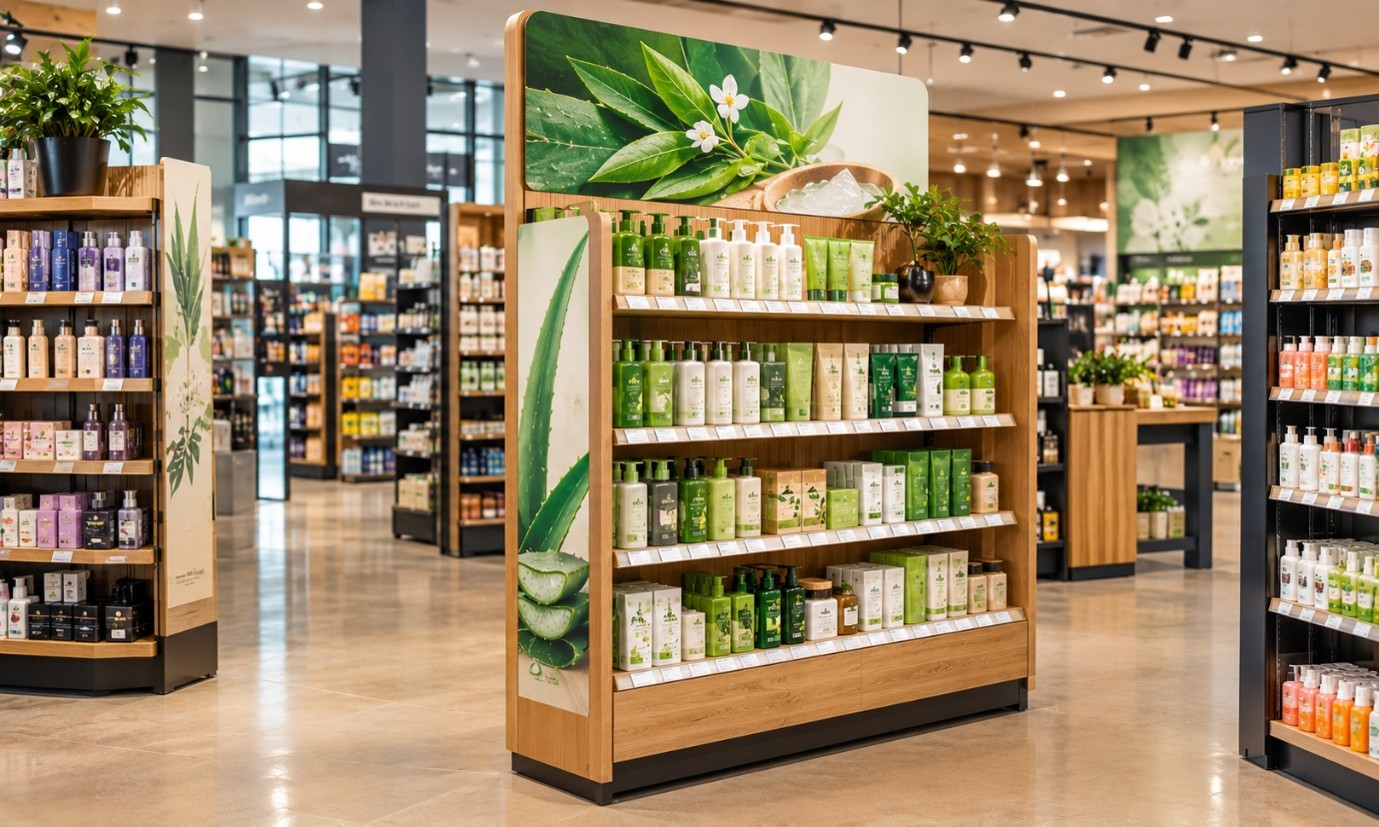
Summary: Long-term retail promotions require displays designed for more than a temporary campaign. This blog explores how permanent displays support established products, brand zones, and ongoing merchandising programs through durable construction, consistent branding, adaptable components, and practical retail design. It also explains how brands can evaluate lifecycle value, maintenance, replenishment, and future promotional flexibility.
A retail promotion that lasts for months or years needs more than a temporary structure placed on the sales floor. When a product needs to maintain visibility through repeated restocking, daily customer interaction, and changing promotional messages, the display itself becomes part of the brand experience. That is why permanent displays can be a strategic investment for brands with long-term retail ambitions.
Unlike short-term promotional fixtures, permanent displays are designed to become a lasting part of the retail environment. They provide a dedicated space for products while giving brands greater control over presentation, durability, and consistency across stores.
Not every retail campaign needs a permanent fixture. Temporary displays make sense for seasonal promotions, limited-time offers, and short product launches. However, when a product line has an ongoing place in the store, repeatedly replacing temporary displays can become inefficient.
Permanent fixtures are better suited to established products, flagship offerings, ongoing retail programs, and brand zones that retailers expect to maintain over time. They can also create a recognizable physical location for a product, helping returning shoppers know where to find it.
At this point, the display is no longer simply supporting a campaign. It becomes part of the store’s merchandising infrastructure and contributes to how shoppers experience the brand.
Long-term retail use changes the way a display should be designed.
A fixture may need to withstand repeated product replenishment, customer interaction, cleaning, movement, and everyday wear while continuing to look professional. Structural stability therefore becomes just as important as visual appeal.
Material selection should reflect the display’s intended lifespan and working environment. Metal, wood, acrylic, and durable board constructions can each serve different purposes depending on product weight, expected usage, store conditions, and desired appearance.
A well-designed fixture should not simply survive these conditions. It should continue presenting the product effectively throughout its intended lifecycle.
One of the strongest advantages of a long-term display is consistency.
Packaging may change, promotional messages may rotate, and individual products may be updated, but the underlying fixture can maintain the brand’s physical presence. This creates a recognizable merchandising environment that can be repeated across multiple retail locations.
For brands operating across different stores, a standardized display structure can help maintain consistent product positioning, visual hierarchy, and brand presentation. At the same time, selected elements can be updated to support new campaigns or product priorities.
This is where permanent displays become more than physical merchandising tools. They can serve as long-term extensions of a brand’s identity within the retail environment.
The most expensive material is not automatically the best choice. The right material is the one that meets the display’s functional and visual requirements.
A lightweight fixture may be sufficient for a controlled retail environment, while a high-traffic location with heavier products and frequent replenishment may require a more robust structure. Metal can provide strength and longevity, acrylic can create a clean and premium presentation, while wood can deliver a substantial, furniture-like appearance.
Brands considering custom metal displays may find them particularly suitable when durability, repeated handling, and a more permanent visual presence are priorities. However, material selection should also account for finishing, cleaning, transportation, installation, and the possibility of future updates.
The goal is to create a fixture that looks right for the brand while remaining practical for the environment in which it will operate.
A common mistake is designing a permanent fixture around one campaign rather than the broader product strategy.
A more effective approach is to separate the long-term structure from elements that are likely to change. Graphics, headers, promotional panels, shelves, hooks, and product holders can potentially be designed for easier updates while the core fixture remains in place.
This creates a more adaptable merchandising system. A retailer may be able to introduce a new product, change a promotional message, or refresh seasonal communication without replacing the entire display.
For brands with evolving product lines, that flexibility can make a permanent fixture more valuable over time and help extend the return on the initial investment.
Long-term display planning also needs to consider what happens beyond the sales floor.
A fixture may need to be manufactured consistently, shipped to multiple locations, assembled by retail teams, maintained over time, and eventually refreshed or relocated. These requirements should be considered during the design stage rather than after production begins.
For larger rollouts, brands should pay particular attention to:
Addressing these factors early can prevent operational problems and make a long-term retail program easier to manage.
The higher upfront cost of a permanent fixture only makes sense when it is expected to deliver value over an extended period. That value comes from more than durability. A well-designed display can provide consistent brand visibility, improve product organization, support merchandising strategy, and reduce the need for repeated display replacement.
Brands should therefore evaluate a permanent fixture as a long-term retail asset rather than a single promotional expense. Its value depends on how effectively it performs throughout its lifecycle and how well it continues to support changing product and merchandising requirements.
A long-running retail promotion deserves a display that can keep pace with it. From material selection and structural design to branding, replenishment, and future updates, every element needs to work together to create a fixture that remains effective well beyond its initial installation.
For brands investing in long-term retail merchandising, the display needs to deliver value well beyond installation day. With more than 39 years of experience, Bling Bling Packaging and Display develops permanent retail solutions with careful attention to materials, durability, branding, and future merchandising needs. Talk to Bling Bling Packaging and Display about creating a display designed to support your brand for the long term.
Permanent retail displays are durable merchandising fixtures designed for extended use in stores. They are commonly used for established products, ongoing brand programs, flagship merchandise, and dedicated retail spaces.
A permanent display is generally appropriate when a product or merchandising program is expected to remain in the same retail environment for an extended period. They can be particularly useful for ongoing promotions, flagship products, and dedicated brand areas.
Common materials include metal, wood, acrylic, plastics, and durable board constructions. The appropriate material depends on product weight, expected lifespan, retail conditions, appearance, and budget.
Yes. A permanent fixture can incorporate replaceable graphics, promotional panels, headers, or modular components, allowing brands to refresh messaging without replacing the entire structure.
They can be, when the display is intended for long-term use. Brands should consider expected lifespan, replacement costs, durability, maintenance, brand consistency, and the fixture’s role in their broader merchandising strategy.