
Call Us
562.254.8711 Call Us
562.254.8711
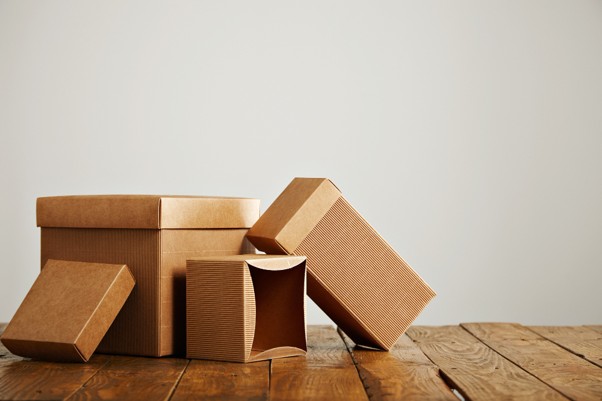
Summary: Breaks down why chipboard is a versatile, cost-effective material capable of premium results, covering its smooth printable surface, structural rigidity, die-cutting and finishing options, and sustainability appeal. Shows how smaller brands can achieve big-brand shelf presence using chipboard cartons without committing to expensive alternatives or high minimums
Pick up a well-made box, and you know it before you’ve even opened it. There’s a certain heft, a crispness to the corners, and a satisfying resistance when the lid lifts. That feeling isn’t an accident. It’s engineering. And more often than you’d guess, it comes from one of the most underrated materials in retail packaging: chipboard.
Chipboard doesn’t have the flashy reputation of rigid setup boxes or the industrial toughness of corrugated. It’s the quiet workhorse of premium packaging: affordable, versatile, and, in the right hands, capable of making a product feel far more expensive than its price tag suggests. If your brand is trying to punch above its weight on the shelf, it’s worth understanding exactly what a chipboard carton can do for you.
Chipboard gets an undeserved reputation problem. People hear “chip” and picture something flimsy, perhaps a cereal box or the backing on a legal pad. In reality, chipboard is a dense, uniform paperboard made from compressed paper fibers. It’s smooth, stable, and holds a crease well compared with many other paperboard materials.
That smoothness is the secret weapon. Because chipboard has such a clean, even surface, it takes printing, foiling, and embossing beautifully, which is exactly why so many premium retail brands rely on it. A chipboard box doesn’t announce itself as budget-friendly. It simply looks good.
Every product has a moment of truth: the second a customer opens the box. Retail packaging that flexes, warps, or feels hollow can undermine that moment, no matter how appealing the graphics are. Chipboard’s rigidity helps maintain structure and allows the package to present the product with a clean, deliberate feel.
Think about the categories where this matters most: cosmetics, electronics accessories, specialty foods, and subscription boxes. These are products people expect to feel worth their price. A structurally sound chipboard carton can hold its shape on the shelf, maintain its form during handling and transportation, and create an opening experience that feels curated rather than generic.
Here’s what sets chipboard apart from more specialized materials: it adapts. It can be:
That range means a single material can serve different brand needs. A minimalist skincare line and a bold, colorful toy package can both start from the same chipboard base and end up looking completely different.
One of the most overlooked advantages of chipboard is what it can do for smaller and mid-sized businesses. Premium packaging has historically felt like a large-brand privilege, the kind of investment only companies with substantial production volumes could justify. Chipboard can change that equation.
Because it can be cost-effective for many retail applications and works across different production volumes, chipboard allows growing brands to pursue a polished presentation without automatically moving into more expensive packaging formats. A well-designed chipboard box can sit next to an established competitor on a shelf and compete through presentation, branding, and thoughtful structure.
Sustainability isn’t a footnote anymore. It can be an important consideration for brands and customers alike. Chipboard is commonly produced using recycled paper fibers and can often be recycled, depending on its coatings, construction, and local recycling infrastructure.
Brands can support more thoughtful packaging choices by avoiding unnecessary materials, reducing excess space, and selecting finishes and components that align with their recycling goals. When appropriate, recyclability information can also be communicated directly on the package.
This turns a practical material decision into another opportunity for brands to demonstrate attention to how their products are packaged and presented.
No material does everything, and chipboard has real limits. It may not be the right choice for heavy products, items requiring significant impact protection during shipping, or products exposed to substantial moisture without an appropriate protective coating. For those applications, corrugated or other reinforced packaging structures may make more sense.
The point isn’t that chipboard is universally superior. It’s that for a wide range of retail products, especially items designed for shelf presentation or direct-to-consumer sales, it can provide an effective balance of visual impact, structure, and cost. Matching the material to the product is where an experienced packaging partner adds value.
Getting the most out of chipboard comes down to several decisions made early in the design process:
Weight and caliper. Thicker chipboard can feel more substantial, but it may also increase material and shipping costs. The right balance depends on the product, packaging requirements, and price point.
Finish selection. Matte lamination can create an understated premium appearance, while gloss can enhance color and visual impact. Soft-touch coatings can add another tactile element to the customer experience.
Structural engineering. A good chipboard carton is designed around the product’s actual dimensions and handling needs rather than being forced into a generic template.
Print quality. Because chipboard provides a clean printing surface, it can showcase fine details effectively. Strong design and consistent print production are therefore important to achieving a polished final result.
Chipboard has quietly become one of the most effective tools in retail packaging because it combines structure, presentation, versatility, and cost efficiency. For brands that want packaging with a premium look without automatically moving into more expensive formats, a well-designed chipboard carton or chipboard box can be a practical choice.
Ready to explore what chipboard can do for your product line? Request a quote from Bling Bling Packaging and Display to create custom packaging designed around your product, brand, and presentation goals.
A chipboard carton is a paperboard package made from compressed paper fibers, commonly used for retail products that need structure and a polished appearance.
Chipboard boxes work well for products such as cosmetics, specialty foods, electronics accessories, toys, and other lightweight retail goods.
Yes. Chipboard can be die-cut, printed, laminated, embossed, and finished in various ways to match a brand’s packaging requirements.
Chipboard can often be recycled, although recyclability may depend on coatings, laminations, construction, and local recycling facilities.
Chipboard can work for lightweight products and suitable shipping conditions, but heavier or highly fragile products may require stronger materials or additional protective structures.